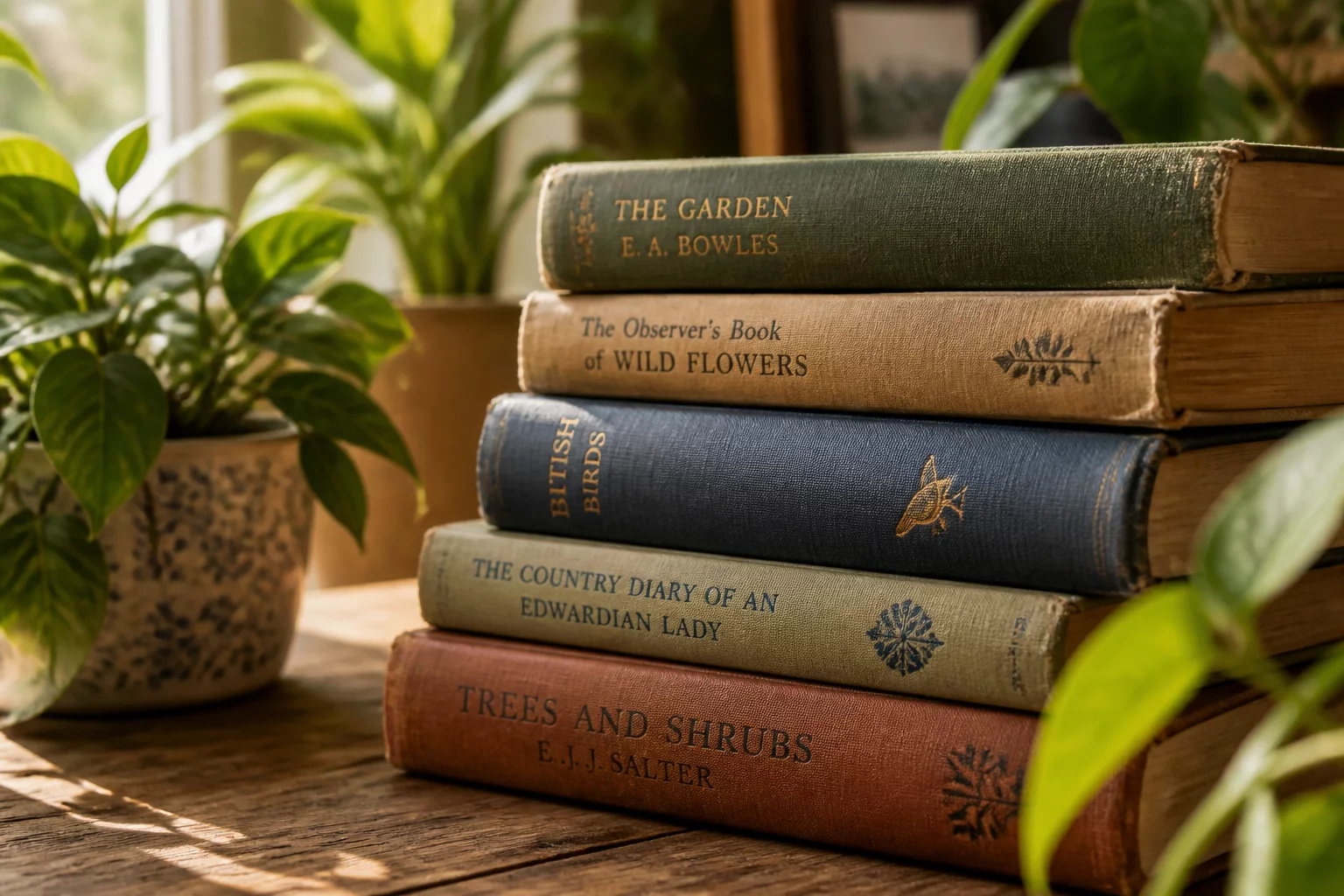
The Environmental Impact of Reading: Why Book Swapping is the Future of Literature
The Ecological Footprint of New Books
Physical books carry a unique charm that digital screens cannot replicate. The scent of freshly printed paper, the texture of the pages, and the weight of the volume in your hands create a deeply satisfying sensory experience. This tactile pleasure comes with a hidden environmental cost. Millions of trees are harvested every year to satisfy the global demand for paper. The manufacturing process consumes vast amounts of water and energy, while chemical bleaching agents release pollutants into local ecosystems. Transportation adds another layer of carbon emissions as heavy crates of books travel from printing presses to warehouses, and finally to retail shops.
Deforestation remains a major concern connected to the publishing industry. Forests act as crucial carbon sinks, absorbing carbon dioxide from the atmosphere. When trees are cut down for paper production, this storage capacity decreases, accelerating global climate change. The inks used in traditional printing often contain volatile organic compounds that contribute to air pollution. Packaging materials, such as plastic wraps and cardboard boxes used during transit, generate substantial waste. These factors combine to make the production of new books a resource-intensive endeavor that leaves a significant ecological footprint on our planet.
The Digital Reading Dilemma
Many readers turn to electronic devices as a green alternative to paper. This transition appears environmentally friendly on the surface, but digital reading carries its own ecological burden. The manufacturing of e-readers, smartphones, and tablets requires the extraction of rare earth elements. Mining these minerals often causes severe environmental degradation and pollution in developing regions. Electronic devices also rely on complex supply chains that generate substantial greenhouse gas emissions during assembly and shipping.
Energy consumption continues long after the device is purchased. Massive data centers host the digital files, running continuously to keep libraries accessible. These servers require immense amounts of electricity for operation and cooling, often relying on fossil fuels. Electronic waste presents another challenge. E-readers become obsolete within a few years, ending up in landfills where toxic materials can leach into the soil. Physical books, by contrast, can last for decades or even centuries without consuming electricity, making their long-term footprint surprisingly low when shared among many readers.
The Circular Economy of Literature
Book swapping offers a sustainable path forward by combining the benefits of physical reading with the principles of a circular economy. This practice extends the lifecycle of existing books, ensuring that a single copy is read by multiple people. We reduce the demand for new print runs by sharing what we already own. This simple action saves trees, conserves water, and eliminates the carbon emissions associated with manufacturing new products.
An active community of readers sharing their libraries creates a powerful network of resource conservation. Instead of sitting forgotten on a shelf, a read book travels to a new home where it brings joy to another person. This movement turns reading into a shared, eco-conscious activity. Online platforms like Curve.Book facilitate these exchanges, making it easy for readers to connect and swap titles without relying on commercial retail networks. Through these platforms, books circulate continuously, maximizing the utility of every single page printed.
Practical Steps to Reduce Your Reading Footprint
Transitioning to a sustainable reading lifestyle requires small, deliberate changes in daily habits. Consider the following actions to minimize your environmental impact:
- Register on a local book swapping website to trade books you no longer need.
- Search for second-hand copies at local charity shops and library sales before buying new.
- Share your personal library with friends, family members, and colleagues.
- Donate read books to public shelves, schools, or community centers.
- Support publishers that use recycled paper and soy-based inks.
- Participate in community swap events to meet like-minded readers.
Embracing these habits helps protect natural resources. Every swapped book represents a small victory for the environment, proving that literature can thrive without harming the planet. By changing how we acquire and share stories, we contribute to a healthier world while continuing to enjoy the magic of reading.
Comments (3)
I never thought about the carbon footprint of my e-reader before. Swapping physical books seems like a much cleaner way to read.
This article makes a great point. We need to normalize sharing instead of always buying new copies.